Asynchronous work balance has become one of the most critical challenges for modern teams. The pressure to stay always online, respond instantly, and attend constant meetings is driving digital burnout and reducing real productivity.
High-performing teams have learned that success no longer comes from being available at all times, but from knowing when to collaborate in real time and when to protect deep, focused work. V.connct is designed to support this balance by enabling teams to move seamlessly between synchronous collaboration and asynchronous communication without losing clarity or connection.
1. Asynchronous Work Balance Starts with Smarter Conversations
One of the fastest ways to overwhelm a team is to turn a single chat channel into a constant stream of mixed conversations. Important updates get buried, attention fragments, and team members feel compelled to keep checking “just in case.”
Threaded conversations in V.connct Chat solve this by separating discussions by topic. Instead of pulling everyone into every exchange, threads allow conversations to unfold naturally while giving others the freedom to catch up later. This keeps main channels clean, reduces unnecessary interruptions, and supports a calmer, more intentional communication flow.
When conversations are structured, focus becomes the default, not the exception.
2. Replace Status Meetings with Video Updates
Meetings are often scheduled not because they are necessary, but because explaining something in writing feels inefficient. The result is calendar overload and reduced time for meaningful work.
With video messages in V.connct, teams can share context-rich updates without forcing everyone into the same time slot. A short recorded message can explain progress, clarify decisions, or walk through a complex idea while allowing teammates to watch and respond when it fits their schedule.
This approach preserves human connection while respecting individual focus time, making it one of the most effective productivity hacks for remote and hybrid teams.
3. Protect Deep Work with Smart Status and Do-Not-Disturb Modes
Deep, high-quality work requires long stretches of uninterrupted time. Yet many teams unintentionally sabotage this by normalizing constant availability.
V.connct enables users to set smart statuses and automated Do-Not-Disturb modes, clearly signaling when they are in focus mode. These visible boundaries reduce unnecessary pings and help establish a culture where uninterrupted work is respected—not questioned.
When teams normalize focus time, productivity rises, and digital burnout fades.
4. Centralized Files and Their Role in Asynchronous Work Balance
Few messages are as disruptive as: “Hey, where’s that file?”
Repeated throughout the day, these interruptions silently erode concentration and slow down progress.
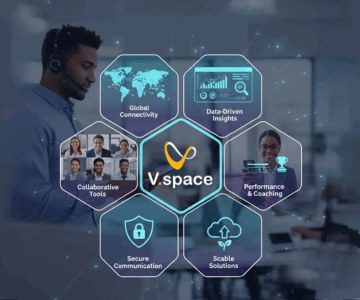
By centralizing documents and resources in V.space, V.connct allows teams to self-serve information without interrupting colleagues. Files remain organized, searchable, and accessible to everyone who needs them—regardless of time zone or work schedule.
This shift reduces message noise and supports a more sustainable remote team culture built on clarity and autonomy.
5. Respect Time Zones with Scheduled Messaging
Global teams thrive on flexibility, but unmanaged communication across time zones often leads to after-hours stress and blurred personal boundaries.
V.connct’s scheduled messaging allows you to write messages when ideas are fresh, while ensuring they are delivered during your colleague’s working hours. This small adjustment has a powerful effect: it reduces anxiety, respects personal time, and reinforces a culture of thoughtful communication.
Asynchronous work should create freedom, not extend the workday.
Building a Healthier Communication Culture
Productivity is not about responding instantly. It’s about communicating intentionally.
By choosing the right channel at the right moment, live meetings for collaboration, asynchronous tools for focus, teams can maintain alignment without sacrificing well-being. V.connct empowers organizations to move beyond the “always-on” mindset and adopt a more balanced, human-centered way of working.
When communication respects focus, teams don’t just work faster, they work better.
The future of work is not entirely synchronous or asynchronous.
It’s a thoughtful balance between the two.
Teams that prioritize a balance of asynchronous work reduce burnout, protect deep work, and create a more sustainable remote work culture.