Stock Up Smart: Grab Bulk Ammo Online and Never Run Dry at the Range
Purchasing bulk ammo online can reduce per-round costs by up to 30% compared to retail boxes. Ordering in volume through a reputable e-commerce site lets you select exact calibers, grain weights, and quantities, with the order shipped directly to your door in discreet, durable packaging. The primary advantage is convenience and consistency—you lock in a stable supply for range sessions or storage without repeated trips to local stores. To maximize value, always verify the seller’s shipping terms and compare price-per-round across bulk listings before checkout.
Why Buying Ammunition in Larger Quantities Saves You More Than Money

Buying bulk ammo online means you’re locking in one shipping cost for thousands of rounds, not paying per-box fees that quietly eat your range budget. More importantly, the real win is **never facing a panic-induced dry spell**—when you stock up during calm times, you’re insulated from temporary shortages that force others to pay triple per box. That consistency lets you actually train, because **shooting drills become a habit rather than a rationed luxury**. Bulk purchases also reduce your per-round cost enough that you can afford a few extra boxes of defensive loads to verify zero and function, which many shooters skip. The true savings, though, are psychological: having a deep stash means you don’t hoard every last casing, so you shoot more freely, learn faster, and *waste less time worrying about “saving” ammo instead of using it*.
The Real Per-Round Price Break You Get With Case Orders

When you buy bulk ammo online, the real per-round price break with case orders appears only after comparing same-brand, same-load SKUs across box, half-case, and full-case tiers. A 20-round box might cost $1.10 per round, but a 200-round case often drops to $0.92, while a full 1,000-round case can hit $0.78. That gap is not linear—the largest discount typically appears at the jump from 7.62x54R Ammo for Sale half-case to full-case, not from box to half-case. Shipping weight also shifts the effective per-round cost, since case orders usually qualify for flat-rate freight, erasing the per-box handling surcharge. Always recalculate the final per-round price after shipping and tax; the advertised case discount can shrink by 3–5% once those are factored in. The real per-round price break emerges only when you divide total invoice by total rounds, not by trusting the sticker percentage.

How Volume Purchasing Cuts Down on Shipping and Handling Fees
When you buy ammo online, shipping and handling fees are often calculated per package, not per round. A single box of 50 rounds might incur a flat fee, but ordering 1,000 rounds usually ships in the same box or pallet, spreading that fixed cost across far more product. This means your cost-per-round with shipping drops dramatically as order size increases. Additionally, many bulk ammo retailers offer tiered thresholds—free or discounted shipping above a specific dollar amount. To maximize savings:
- Combine multiple calibers into one order to hit the free-shipping threshold.
- Choose the smallest number of heavier boxes, as carriers charge by dimensional weight and package count.
- Accept slower ground transit, which is often cheaper and still cheaper per unit than two express shipments.
Handling fees, such as per-box picking charges, also scale down proportionally when you purchase in bulk rather than placing repeat small orders.
Locking in a Stable Price Per Box Before Costs Climb
Locking in a stable price per box before costs climb is the quiet superpower of buying bulk ammo online. When you commit specialty sports & supply to a case today, you freeze the per-round cost against next month’s inevitable supplier adjustments, protecting your training budget from creeping inflation. That fixed rate means every future range session is budgeted with certainty, not guesswork. A bulk order transforms unpredictable retail spikes into a predictable cost per box, letting you stock deep without watching prices jump weekly. You pay once, at today’s rate, and every box you pull from that stash carries the same low number—no surprise surcharges when demand surges. It’s financial foresight, applied directly to your ammo shelf.
What to Check Before Adding a Bulk Case to Your Cart
Before you hit “add to cart” on that bulk ammo online, double-check the round count vs. the price per round—not just the total. A “case” might mean 500, 1,000, or even 5,000 rounds, so verify the exact number to avoid a nasty surprise. Also, confirm the caliber matches your firearm precisely (e.g., .223 vs 5.56) and check the bullet grain weight—heavier loads have different recoil and performance. Ask yourself: *“Does this case include separate boxes or loose-packed rounds, and will shipping weight push the cost up?”* Finally, peek at the stated condition (new, reman, or surplus) and manufacturer, since these affect reliability. Always compare shipping fees across retailers before committing—bulk cases are heavy, and that can quietly inflate your total.
Verifying Caliber, Grain Weight, and Bullet Type Match Your Firearm
Before committing to a bulk case, confirm the cartridge matches your firearm’s stamped caliber—a mismatch is dangerous and voids warranties. Check grain weight against your barrel’s twist rate and intended use; heavier projectiles stabilize better in faster twists, while light loads suit varmint hunting. Bullet type matters equally: full metal jacket for range practice, hollow points for defensive rounds, and soft points for hunting expansion. Even a correct caliber with the wrong grain or bullet profile can cause feed failures or poor accuracy. Cross-reference the box’s lot number with your manufacturer’s manual, and if uncertain, buy a small sample box first. Verifying these specs before bulk purchase prevents costly misfires and wasted ammunition.
Reading the Ammo’s Lot Number to Ensure Consistent Performance
Before finalizing a bulk case purchase, check the ammo lot number printed on the box or case label. A single lot number indicates rounds produced from the same component batch and loading machine setup, which directly affects velocity, pressure, and point of impact. When you Ammo Cans & Storage for Sale buy thousands of rounds at once, mixing multiple lots can cause noticeable shifts in zero and reliability. Ask the seller to confirm the entire case shares one lot number, or request the specific digits to verify consistency with your previous purchase. Even a slight variance in propellant burn rate between lots can alter your recoil spring tuning and accuracy. If the case shows multiple lot numbers, expect measurable performance changes across the ammunition.
Reading the ammo lot number ensures every round in your bulk case delivers the same ballistic behavior, preventing accuracy drift and functional surprises.
Confirming the Packaging Condition for Long-Term Storage Suitability

Before committing to a bulk case, verify the packaging integrity for long-term storage suitability. Inspect the outer carton for crushing, tears, or moisture stains—these indicate prior .17 HMR Ammo for Sale mishandling that can compromise internal ammo boxes. Confirm the factory-sealed wrapper or tape is intact; broken seals suggest repackaging or exposure to humidity. Check whether the case uses rigid dividers or loose fill; tight, compartmentalized trays prevent bullet setback and primer damage during stacking. Avoid cases with crushed corners or crushed rimfire cartons, as deformed boxes allow moisture ingress. For extended shelf life, prioritize packages with sealed plastic liners or foil bags inside the cardboard, which better resist temperature swings.
How to Gauge the Reputation of an Online Ammunition Retailer
When buying bulk ammo online, gauge reputation by digging past star ratings—scan forums and Reddit threads where shooters name-drop retailers who actually deliver on large orders. Check if the seller has a dedicated ammo-specific review section, not just generic checkout feedback, since bulk buyers often comment on packaging durability for heavy crates. Cross-reference their social media responsiveness during high-demand surges—a retailer that goes silent when inventory tightens is a red flag. Look for consistent mentions of accurate shipping timelines and lot-number traceability, which signal meticulous inventory control. Beware of identical five-star reviews posted in clusters, as they often mask drop-shipping failures. Finally, test their customer service with a pre-purchase question about partial order refunds or damaged primer seals—a vague, dismissive reply reveals a company that thrives on impulse buyers, not loyal bulk patrons. Whether you need 500 or 5,000 rounds, trust is built on verifiable, repeat order histories, not polished marketing.
Spotting Clear Product Photos and Detailed Spec Lists
When vetting a bulk ammo retailer, scrutinize product imagery and specifications as a reliability metric. Clear, high-resolution photos from multiple angles allow you to inspect .17 WSM Ammo for Sale casing quality, primer seating, and projectile uniformity—blurry or stock images often mask inconsistent manufacturing. Detailed spec lists must include cartridge dimensions, bullet weight, velocity, and grain type, not just a vague caliber label. Cross-reference the listed muzzle energy with manufacturer data; discrepancies signal sloppy inventory or repackaged goods. Also, verify if the spec sheet notes lot numbers or pressure-tested batch data. Precise spec lists indicate rigorous quality control, while vague entries suggest hidden variables. If the listing omits bullet material or case finish, contact support—reticence to clarify is a red flag.
Q: What should I prioritize when spotting clear product photos?
A: Ensure you can zoom without pixelation and that the photo shows the cartridge base (headstamp) and projectile tip. If the retailer hides the headstamp or uses angled shots that obscure the primer pocket, the ammo may be remanufactured or improperly sourced.
Looking for Transparent Return Policies on Unopened Cases
Before committing to bulk ammo online, scrutinize the return policy for unopened cases—it’s a silent reputation check. A retailer that clearly states you can send back sealed, factory-boxed ammunition within 30 days, even if you just changed your mind, signals confidence in their stock. Look for language covering shipping costs, restocking fees, and whether they require prior authorization. If the policy is buried or says “all sales final” without exceptions, that’s a red flag. Call or chat to confirm they actually honor it, since website fine print often differs from reality. Transparent policies here mean the seller expects you to 7.62×39 Ammo for Sale be satisfied, not stuck with unusable calibers.
- Confirm whether unopened cases must be in the original manufacturer’s packaging.
- Ask if they cover return shipping or deduct a restocking fee.
- Check the time window—typically 14–30 days, but verify in writing.
Using Customer Feedback to Judge Packaging and Delivery Speed
When vetting a bulk ammo retailer, scrutinize reviews for **packaging and delivery speed indicators** rather than just product praise. Look for recurring mentions of discreet, crush-resistant boxes, since heavy ammo shipments test corrugated strength. Note if customers report split casings or bent rims, which signals poor internal padding. For speed, filter feedback by “shipping time” and weight whether delays occurred during holidays or consistently. *A single slow delivery might be courier fault, but repeated complaints about “sitting in processing for days” point to warehouse inefficiency.* Prioritize reviewers who include photos of unboxing and mention whether the box arrived with intact tape and no pellet spillage.
- Search for “double-boxed” or “palletized” comments to verify bulk-order protection.
- Flag repeated “ships next day” praise versus “took two weeks” warnings.
- Check if reviewers distinguish between label creation and actual carrier pickup.
- Weigh negative feedback if the retailer responds with refunds or reshipments—it shows accountability.
Matching the Right Ammo Type to Your Shooting Purpose
When buying bulk ammo online, matching the round to your purpose is non-negotiable, as bulk pricing locks you into a specific load for thousands of rounds. For high-volume range practice, select 55-grain .223 FMJ boat-tails for reliable cycling and low cost, but switch to 62-grain bonded soft points for hunting or defensive carbine work, where expansion matters over sheer volume. Similarly, if you stock 9mm in bulk, choose 115-grain FMJ for flat-shooting drills at steel, yet reserve 147-grain hollow points for suppressed or defensive loads, since subsonic energy transfer differs drastically.
Never let the per-round discount dictate your bullet type—the cheapest bulk lot is wasted if it fails to deliver the terminal effect or accuracy your specific discipline demands.
Always verify the muzzle velocity and projectile construction in the product description before adding 500+ rounds to your cart, because bulk is only economical when the ammo genuinely serves its intended role—whether that’s punching paper, dropping game, or zeroing optics.
Choosing Between Full Metal Jacket, Hollow Point, or Soft Point Rounds
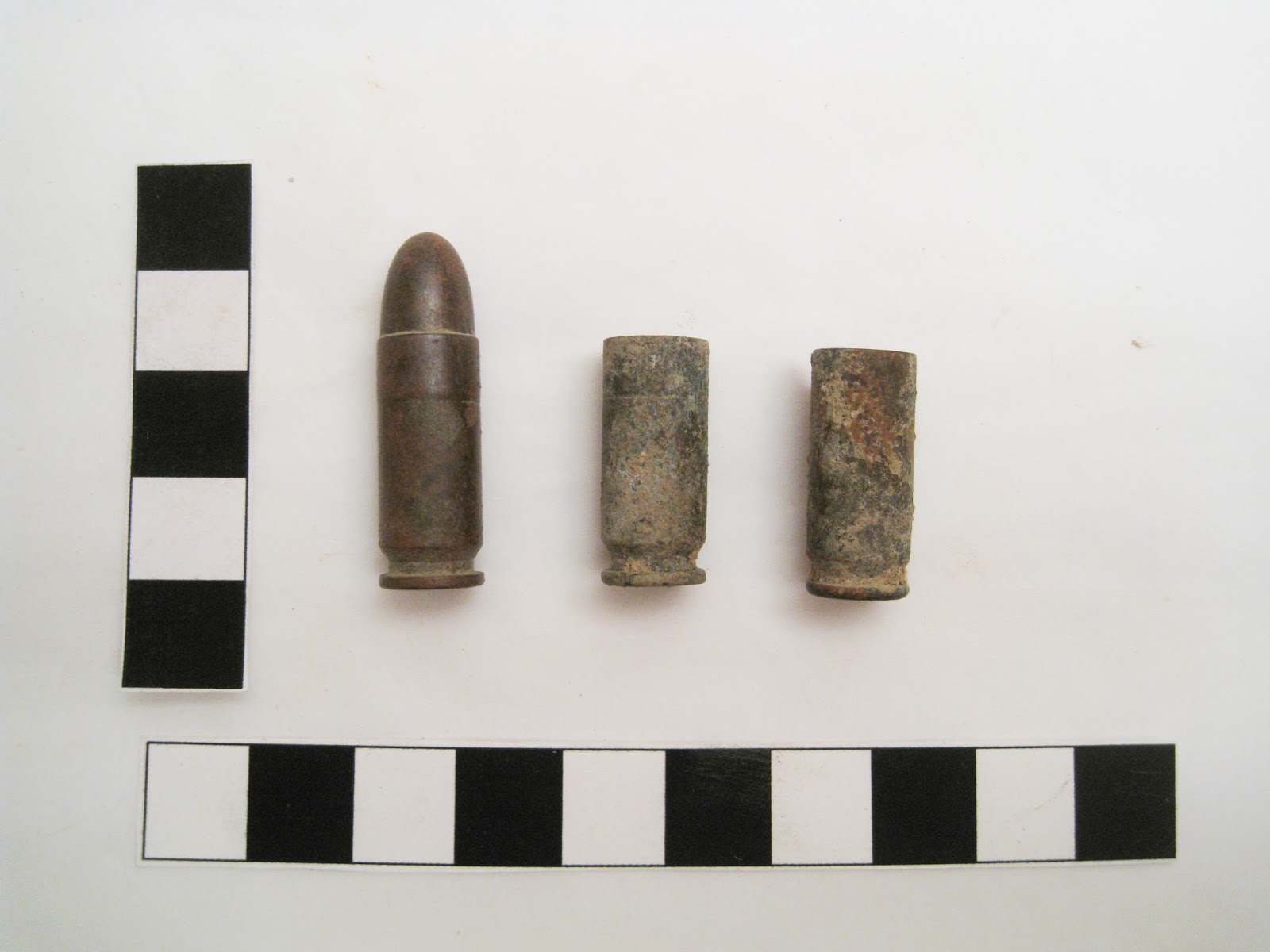
When buying bulk ammo online, choosing between FMJ, hollow point, or soft point hinges on your target medium and terminal goal. Full metal jacket rounds offer reliable feeding and deep penetration, making them ideal for high-volume range practice where barrier defeat matters. Hollow points expand dramatically on impact, suiting defensive loads because they transfer energy quickly and reduce over-penetration risks. Soft points bridge the gap, delivering controlled expansion through flesh and light brush, perfect for hunting medium game. Follow this sequence:
- Define your primary use (paper, predator, or game).
- Select FMJ for training, hollow point for self-defense, 7.62×51 Ammo for Sale soft point for hunting.
- Then buy in bulk only after verifying your firearm’s twist rate and magazine compatibility with each projectile profile.
Never substitute one type for another across these roles.
Selecting the Ideal Grain Weight for Range Practice vs. Self-Defense
For 7mm PRC Ammo for Sale range practice, prioritize lighter grain weights—like 115gr in 9mm—to reduce felt recoil and cost, letting you burn through bulk ammo online deals with faster follow-up shots. For self-defense, step up to heavier 124gr or 147gr loads, which offer deeper penetration and better barrier performance. Choosing grain weight for range practice vs. self-defense hinges on mimicking your carry load’s point of impact; otherwise, your practice zero drifts. Shooting 115gr at the range while carrying 147gr means your muscle memory aligns with a different trajectory than your defensive rounds. Follow this sequence:
- Test 115gr, 124gr, and 147gr in your firearm at 10 yards.
- Compare group sizes and recoil impulse.
- Pick the lightest accurate grain for practice, then match your defensive ammo’s grain as closely as possible.
This dual approach keeps practice affordable without sacrificing real-world reliability.
Practical Tips for Storing and Rotating Your Bulk Ammo Supply
When your bulk ammo online order finally lands on the doorstep, the real work begins—not with shooting, but with storing and rotating your bulk ammo supply. I learned this after stacking sealed cans in a garage corner, only to find corroded primers months later. Start by labeling every box with the purchase date and lot number before it leaves the shipping crate. Store ammo in airtight military-style cans with silica gel packs, keeping them off concrete floors to prevent moisture wicking. For bulk ammo rotation, adopt a “first-in, first-out” rule: place new shipments behind older stock so you always shoot the oldest rounds first. Every few months, flip the cans and inspect for rust or bulging primers, pulling anything questionable. I also keep a simple notebook log—buy date, caliber, can location—so nothing sits forgotten past its prime.
Using Ammo Cans and Desiccants to Prevent Moisture Damage
When you buy bulk ammo online, your first defense against corrosion is a sealed military-style ammo can. These gasketed containers block humid air, but they trap existing moisture, so pairing them with 5.56 Ammo for Sale desiccants is non-negotiable. Silica gel packs or rechargeable desiccant beads absorb residual humidity inside the can, creating a micro-environment that keeps primers and cases rust-free. For long-term storage, rotate desiccant packets quarterly or when the indicator changes color, and never skip a fresh pack after opening your bulk ammo online shipment. This dual system dramatically extends shelf life, especially in coastal or basement climates. Moisture-proof bulk ammo storage requires both a sealed container and active humidity control, not one or the other.
Q: How often should I replace desiccants in ammo cans?
Replace or recharge them every 3–6 months, or immediately if the humidity 5.7x28mm Ammo for Sale indicator card shows >30% RH.
Creating a First-In, First-Out System to Keep Older Rounds Fresh
When you buy bulk ammo online, a disciplined First-In, First-Out (FIFO) system prevents older rounds from degrading due to prolonged storage. Start by physically separating new shipments from existing stock—never mix them in the same container. Write the purchase date and lot number on each box or can with a permanent marker. Build a simple rotation rack where you store the newest ammo at the back and pull from the front. If you shoot less than you buy, you must consciously schedule range days to burn through the older primers and powder before they lose potency. Finally, inventory monthly, moving any aging boxes to a “use soon” section.
- Label every package with the month and year of purchase.
- Place new arrivals behind older stock in your designated storage area.
- Always fill your range bag or magazine from the front of the shelf, not the back.
- Conduct a quarterly audit to ensure the oldest rounds are consumed first.
Keeping a Simple Inventory Log to Track What You Have on Hand
Start by logging every bulk ammo online order the moment it lands: caliber, round count, purchase date, and price per round. A simple spreadsheet or notebook prevents overbuying and ensures you always know exactly what you have on hand. Update the log immediately after each range session or storage move—subtract what you shoot, not what you think you used. This discipline reveals your true consumption rate, letting you rotate old stock first and avoid corroded or degraded primers. Your inventory log is your early warning system against surprise shortages and wasted ammunition. Keep it near your safe, not buried in a drawer, and review it monthly before placing your next bulk ammo online order.
Q: How often should I physically verify my inventory log against actual ammo boxes?
A: Do a full count every quarter, but spot-check one caliber each week—ten minutes prevents costly mismatches between your records and your on-hand bulk ammo supply.